by Readonna Howell-Rogers
The Critical Need for Adult Learning Technology Spaces
Adult learners represent a rapidly growing demographic in higher education, bringing unique challenges and opportunities that traditional computer labs often fail to address. Unlike traditional students, adult learners require flexible, purpose-driven technology spaces that accommodate varying schedules, diverse learning styles, and real-world application needs. Research by Knowle et al., (2015) emphasizes that adult learners thrive in environments that blend access, collaboration, and individualized learning opportunities.
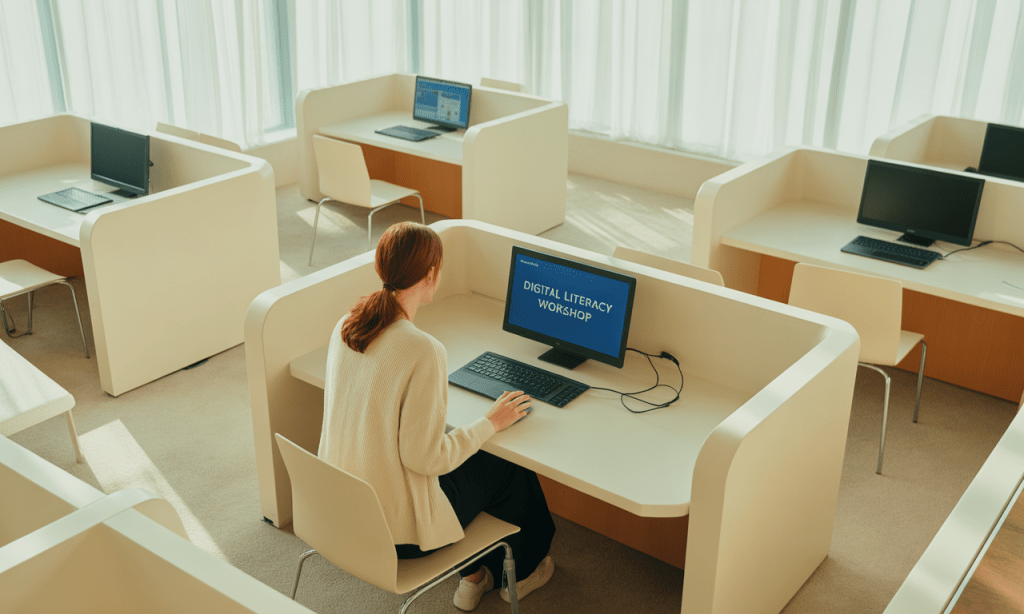
Why This Lab Matters
Technology and education are ever-evolving partners. Adult and higher-education learners require more than just access to a computer; they need a flexible, inclusive, and innovative environment that accommodates diverse learning styles.
Expand Modern Computing Access
Provide adult and higher-education learners with reliable access to current hardware and software essential for academic success and professional development. This includes high-performance computers, industry-standard software, and specialized applications that bridge the digital divide.
Create Flexible Learning Environments
Design adaptable spaces that accommodate independent study, collaborative research projects, and group presentations. The lab’s modular design supports various learning configurations while maintaining technology accessibility for all users.
Deliver Comprehensive Digital Literacy
Offer structured workshops covering essential digital skills, research methodologies, and professional software applications. Programming will address both foundational computer literacy and advanced technical competencies required in today’s workforce.
Ensure Universal Design Compliance
Implement inclusive technology solutions that accommodate learners with diverse abilities and learning preferences. Following CAST (2018) Universal Design for Learning guidelines, the lab will provide multiple means of engagement, representation, and expression.
The Library Commons Computer Lab is designed to be:
A hub for digital literacy
A collaborative space for research and innovation
An accessible learning center for all learners
Key Features
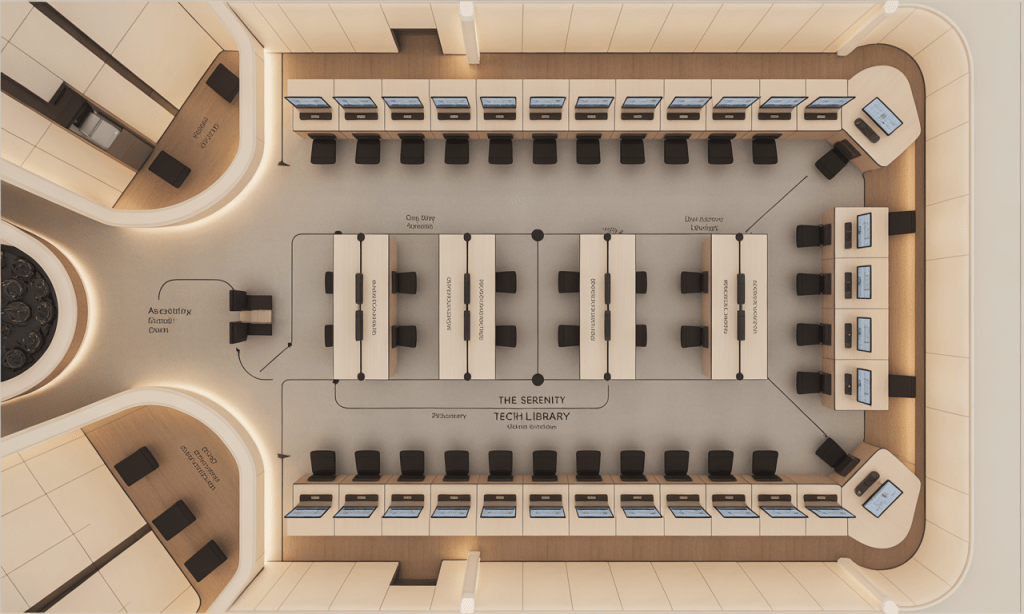
1. Flexible Workstations
- Convertible desk layouts for both individual and group learning
- Ergonomic seating designed for comfort and productivity
2. Cutting-Edge Technology
- 30 high-performance computers with the latest software
- Device charging hubs for laptops, tablets, and smartphones
3. Accessibility First
- Adaptive keyboards and screen readers
- Adjustable tables and quiet zones for sensory needs

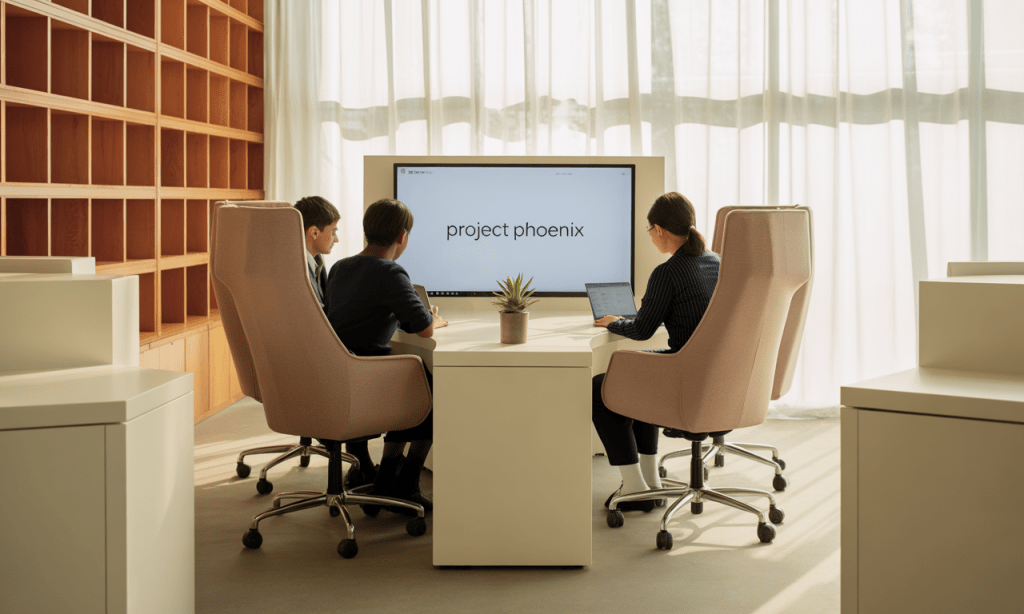
4. Collaborative Spaces
- Small-group meeting pods with video-conferencing
- Open study areas for workshops and peer projects
Impact on Learners
This lab is more than a room full of computers; it’s a space that transforms lives.
- Adult learners build essential digital skills for work and continuing education
- College students gain access to professional-grade tools for academic success
- Community members bridge the digital divide, advancing equity and opportunity
Transformative Impact & Future Vision
The Library Commons Computer Lab represents more than a technology upgrade, it embodies a commitment to educational equity and lifelong learning that will transform how institutions serves adult and higher-education learners. In strategically investing in flexible, inclusive technology infrastructure, we create opportunities for academic success and professional advancement that extend far beyond our campus boundaries.
Bridging the Digital Divide
Providing equitable access to modern technology and comprehensive digital literacy training for learners who might otherwise lack these essential resources.

Enhancing Academic Success
Supporting improved learning outcomes through technology-enhanced research capabilities, collaborative tools, and flexible study environments.
Building Workforce Readiness
Developing practical digital skills and professional competencies that directly translate to career advancement and economic opportunity.
The lab’s alignment with evidence-based adult learning principles ensures sustainable impact. In following Universal Design for Learning guidelines and incorporating flexible programming options, we create an inclusive environment that adapts to diverse learner needs while maintaining high standards of educational excellence.
Long-term sustainability depends on continuous assessment and adaptation. The lab’s modular design and robust professional development components ensure that our investment will continue delivering value as technology and educational needs evolve. Through this initiative, we demonstrate our commitment to lifelong learning and community empowerment through strategic technology integration.
- Sustainable for future expansion
- Adaptable to emerging technologies
- Designed to serve diverse learners for years to come
In investing in this lab, we are empowering learners, strengthening communities, and preparing for the digital future.
Imagine walking into this lab, students collaborating, adults mastering digital tools, and communities connecting like never before.
Do you believe every learner deserves access to flexible, future-ready spaces? Share this post, spark the conversation, and join us in supporting innovation in education.
References
Knowles, M. S., Holton, E. F., & Swanson, R. A. (2015). The adult learner: The definitive classic in adult education and human resource development (8th ed.). Routledge.
CAST. (2018). Universal design for learning guidelines version 2.2. CASThttp://udlguidelines.cast.org
 Words, Wealth & Wisdom